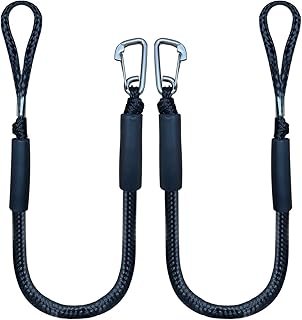
Expert Advice on Selecting the Right Length and Strength Tow Rope
When it comes to towing, having the right tow rope can make all the difference. Whether you are towing a vehicle out of a ditch or pulling a heavy load, you need to ensure that your tow rope is up to the task. Selecting the right length and strength tow rope is crucial for a successful towing operation. Here are some expert tips to help you choose the best tow rope for your needs.
1. Consider the Length of the Tow Rope
The length of the tow rope is an important factor to consider when selecting one for your towing needs. A tow rope that is too short may not provide enough distance between the two vehicles, leading to potential collisions or accidents. On the other hand, a tow rope that is too long may be difficult to control and could cause the vehicles to sway dangerously.
Experts recommend choosing a tow rope that is at least 10 feet longer than the distance between the vehicles. This allows for enough room for maneuvering and ensures that both vehicles can maintain a safe distance from each other during the towing process.
2. Determine the Strength of the Tow Rope
Another important factor to consider when selecting a tow rope is its strength. The strength of the tow rope is measured by its breaking strength, which is the maximum amount of weight the rope can safely handle before breaking. It is crucial to choose a tow rope with a breaking strength that exceeds the weight of the vehicle being towed.
Experts recommend selecting a tow rope with a breaking strength that is at least three times the weight of the vehicle being towed. This ensures that the tow rope can handle the weight of the vehicle without breaking, providing a safe and secure towing experience.
3. Choose the Right Material
When it comes to tow ropes, there are different materials to choose from, including nylon, polyester, and polypropylene. Each material has its own strengths and weaknesses, so it is important to choose the right one for your specific towing needs.
People Also Look For:
- Bungee Dock Line with Hook, Black Mooring Rope for Boat 4 ft 2 Pack & Black
- NorthPada 10 mm x 20 Meters Outdoor Marine Floating Rope for Boating, Fishing, Rafting, Camping, Hiking, Hunting, Anchor, Mooring,...
- BeGrit 6mm Floating Rope 10m Anchor Mooring Rope High Visibility Orange Kayak Dock Lines Tow Throw Line for Boat Canoe Dinghy Camp...
- Tow Rope 5M x 5CM, 10Ton (22,000 LBS) Tow Strap Car Kit with 2 Reinforced Shackles(14Ton-31,000LBS) and 2 Protective Gloves – Fo...
- Premium Dock Lines for PWC, 2pcs Kayaks & Boats Docking Rope with Foam Float Heavy Duty Mooring Rope Tow Line with Clip and Loop M...
Nylon tow ropes are known for their strength and durability, making them ideal for heavy-duty towing operations. Polyester tow ropes are lightweight and easy to handle, making them a good choice for smaller vehicles. Polypropylene tow ropes are resistant to mildew and UV rays, making them suitable for outdoor use.
4. Check for Safety Features
When selecting a tow rope, it is important to check for safety features that can help prevent accidents and injuries during the towing process. Look for tow ropes that are equipped with reinforced loops or hooks that are securely attached to the rope. This helps to ensure that the tow rope stays securely in place during towing operations.
It is also important to check for tow ropes that are color-coded or have reflective strips for increased visibility, especially when towing in low light conditions. These safety features can help make the towing process safer for both the drivers and vehicles involved.
5. Consider the Weight and Size of the Tow Rope
The weight and size of the tow rope can also impact its performance and ease of use. A heavy and bulky tow rope can be difficult to handle and store, making it less convenient for towing operations. On the other hand, a lightweight and compact tow rope is easier to handle and can be stored easily in your vehicle.
Experts recommend choosing a tow rope that strikes a balance between strength and weight. A tow rope that is strong enough to handle the weight of the vehicle being towed, but lightweight and compact enough to be easily stored and handled, is ideal for most towing needs.
6. Consider the Type of Vehicles Being Towed
When selecting a tow rope, it is important to consider the type of vehicles being towed. Larger and heavier vehicles require tow ropes with higher breaking strengths to ensure safe and successful towing operations. Smaller vehicles, on the other hand, may not require as much strength but still need a tow rope that is durable and reliable.
Experts recommend choosing a tow rope that is suitable for the heaviest vehicle you plan to tow, as this ensures that the tow rope can handle any towing situation that may arise. It is also a good idea to have multiple tow ropes on hand for different types of vehicles, so you are always prepared for any towing needs.
7. Consider the Terrain and Weather Conditions
The terrain and weather conditions can also impact the performance of your tow rope. When towing on rough terrain or in extreme weather conditions, it is important to choose a tow rope that is durable and reliable. Nylon tow ropes are known for their strength and durability, making them a good choice for towing in challenging conditions.
It is also important to consider the weather conditions when selecting a tow rope. Polyester tow ropes are resistant to mildew and UV rays, making them suitable for outdoor use. Polypropylene tow ropes are lightweight and easy to handle, making them a good choice for towing in wet or snowy conditions.
8. Consult with a Towing Expert
If you are unsure about which tow rope to choose for your specific towing needs, it is always a good idea to consult with a towing expert. A towing expert can provide valuable advice and recommendations based on your specific towing requirements, ensuring that you select the right tow rope for a safe and successful towing operation.
By following these expert tips and recommendations, you can select the right length and strength tow rope for your towing needs. Whether you are towing a vehicle out of a ditch or pulling a heavy load, having the right tow rope is essential for a safe and successful towing operation.